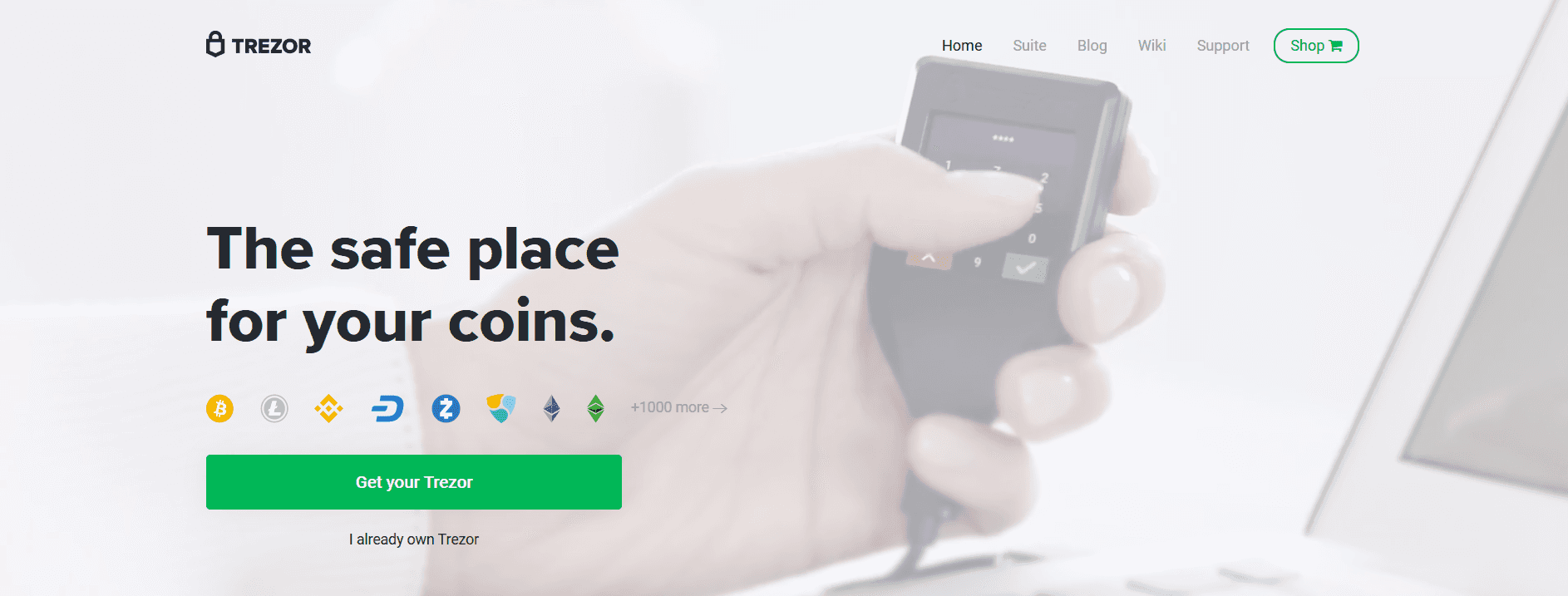
Trezor Login:
Cryptocurrency security is not just about having funds—it’s about controlling them safely. Trezor, a leading hardware wallet provider, allows users to manage and protect digital assets offline. Unlike conventional online accounts, accessing a Trezor wallet involves a secure login system that relies on physical authentication, PINs, passphrases, and recovery seeds.
This guide provides an in-depth explanation of Trezor login, including setup, secure access, troubleshooting, and advanced security measures.
What is Trezor Login?
Trezor login is the process of accessing your cryptocurrency funds stored on a Trezor hardware wallet. It differs from traditional logins because:
There is no central account or server login.
Access requires physical interaction with the Trezor device.
A PIN code and optional passphrase act as credentials.
A 24-word recovery seed provides backup and restoration capability.
The login process ensures that even if a hacker gains access to your computer, your crypto remains safe because the private keys never leave the device.
How Trezor Login Works
Trezor login relies on hardware-based security, combining several layers of protection:
1. Physical Device Authentication
The Trezor hardware wallet stores all private keys offline. When you initiate a transaction, the device signs it internally. This makes it virtually impossible for malware or keyloggers on your computer to access your funds.
2. PIN Code
During setup, you create a personal PIN. Every time you connect your Trezor, the PIN must be entered directly on the device. The keypad layout is randomized, making it difficult for attackers to guess your code by observation.
3. Passphrase (Optional)
Trezor supports an additional passphrase, creating a hidden wallet. Each passphrase generates a unique wallet on the same device. This feature provides extra security and plausible deniability in sensitive situations.
4. Recovery Seed
The 24-word recovery seed is generated when the device is first initialized. It is the ultimate backup for your wallet. If the device is lost or damaged, the recovery seed can restore your funds on another Trezor device. This phrase should never be entered online or shared with anyone.
Methods to Access Your Trezor Wallet
Trezor Suite (Desktop and Mobile)
Trezor Suite is the official application for managing your hardware wallet. Steps for login:
Download Trezor Suite from the official Trezor website.
Connect your Trezor device via USB or Bluetooth (supported models only).
Enter your PIN directly on the device.
Input your passphrase if configured.
Access your wallet to view balances, send/receive crypto, and manage multiple accounts.
Web Interfaces and DApps
Trezor devices can also interact with supported web wallets or decentralized applications:
Connect the device to the web interface.
All transactions must be physically confirmed on the Trezor device.
Only use official and verified web platforms to avoid phishing attacks.
Step-by-Step Trezor Login Guide
Step 1: Verify Device Authenticity
Before logging in, confirm your Trezor device is genuine:
Check for an intact security seal.
Ensure no apps or recovery seeds are pre-installed.
Confirm the device model matches your purchase.
A tampered or counterfeit device can compromise your crypto.
Step 2: Install Trezor Suite
Download the application from the official website.
Install it on your computer or mobile device.
Launch the app and prepare to connect the device.
Step 3: Connect Your Device
Use the original USB cable or Bluetooth connection for supported devices.
Wait for Trezor Suite to detect your hardware wallet.
Ensure the device screen is active.
Step 4: Enter Your PIN
Input your PIN using the device buttons.
The randomized keypad layout increases security against observation attacks.
Step 5: Input Passphrase (If Enabled)
Enter your passphrase to access a hidden wallet.
Remember that passphrases are case-sensitive and not stored on the device.
Step 6: Access and Manage Your Wallet
Once logged in:
View balances and account details.
Send and receive funds securely.
Manage multiple cryptocurrency accounts.
Explore advanced features such as staking or DeFi integration.
All sensitive operations require physical confirmation on the Trezor device.
Security Best Practices
Never share your PIN or recovery seed. These credentials are the only keys to your wallet.
Always use Trezor Suite or verified platforms when accessing your wallet.
Keep your firmware updated to benefit from security patches.
Avoid public networks and devices when logging in.
Use a passphrase for additional security or to create hidden wallets.
Confirm all transactions physically on the device to prevent unauthorized transfers.
Common Issues and Solutions
Device Not Detected
Check the USB cable and try another port.
Restart Trezor Suite or your computer.
Ensure firmware is up to date.
Forgotten PIN
Your wallet can only be restored using the 24-word recovery seed.
Enter the recovery seed on a new device to regain access.
Recovery Seed Problems
Miswriting or misordering words will prevent restoration.
Always store your recovery seed offline in a secure location.
Outdated Firmware
Trezor Suite will notify you if an update is available.
Follow official instructions to upgrade safely.
Advanced Trezor Login Features
Passphrase-Encrypted Wallets
Each passphrase creates a hidden wallet.
Ideal for users needing extra security or plausible deniability.
Multi-Device Access
Restore the same recovery seed across multiple devices.
Useful for backups or portfolio management.
DeFi and NFT Integration
Connect Trezor to supported DeFi platforms or NFT marketplaces.
Device confirmation is required for all transactions to maintain security.
Self-Custody Explained
Trezor login emphasizes self-custody:
Users maintain full control of their private keys.
No third party can freeze or access funds.
Recovery seeds allow restoration in case of loss or damage.
This approach ensures long-term ownership and security of cryptocurrency holdings.
Benefits of Using Trezor Login
High Security: Transactions require physical device confirmation.
Offline Private Keys: Keys never leave the device, minimizing hack risk.
Multiple Account Management: One interface supports multiple cryptocurrencies.
Recovery and Backup: The 24-word seed guarantees wallet restoration.
Advanced Protection: Optional passphrase enhances wallet security.
Troubleshooting Tips
Device Not Connecting: Reboot your computer, try another port, or check the USB cable.
Transactions Not Confirming: Ensure the device is unlocked and approve transactions physically.
Wallet Restoration Issues: Verify recovery seed spelling and word order.
Software Errors: Reinstall Trezor Suite and update firmware.
Summary
Trezor login is a secure, hardware-based authentication system that ensures only the wallet owner can access funds. By combining PINs, optional passphrases, recovery seeds, and physical confirmation, Trezor provides unmatched security compared to traditional online login systems.
Maintaining updated software, using official platforms, and following best practices ensures your cryptocurrency remains secure and fully under your control.
Conclusion
Trezor login is more than just accessing a wallet—it is a complete security system designed for self-custody and offline protection. Proper understanding of the login process, advanced features, and best practices is essential for anyone holding cryptocurrency.
Following this guide ensures that your digital assets are secure, recoverable, and fully under your control. Trezor login is the cornerstone of responsible cryptocurrency ownership and long-term digital asset protection.